5G and Its Effects on the Entertainment Industry: The Future of Content Streaming
The Transformative Power of 5G in Entertainment
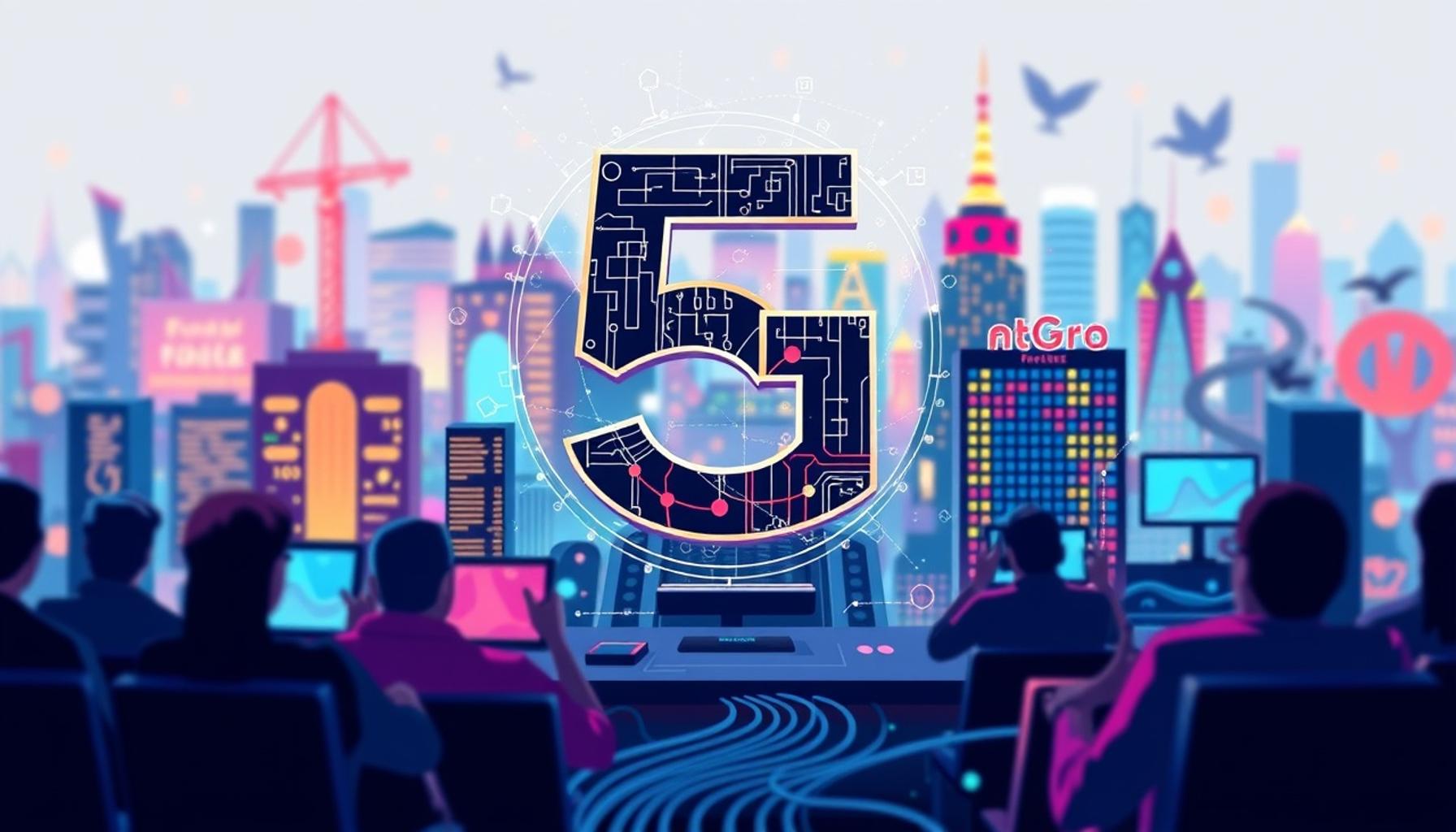
The advent of 5G technology is fundamentally altering the landscape of the entertainment industry, marking a pivotal shift in how audiences engage with content. Unlike its predecessor, 4G, which significantly improved mobile connectivity, 5G promises not just higher speeds but also reliability and lower latency. This combination allows users to experience entertainment in ways that were previously unimaginable, offering distinctive advantages across various platforms.
High-Quality Streaming
One of the most tangible benefits of 5G is its capability for high-quality streaming. With speeds exceeding those of traditional home broadband, viewers can enjoy seamless streaming of high-definition (HD) and 4K content without buffering. For instance, popular streaming services like Netflix and Hulu are already optimizing their content for 5G consumption. Imagine watching your favorite show on a mobile device without any disruptions, even in crowded areas where 4G networks might struggle. In this scenario, the viewing experience becomes not just uninterrupted but also visually stunning.
Innovative Experiences
5G isn’t just about speed; it also enhances innovative experiences. Technologies such as virtual reality (VR) and augmented reality (AR) are being integrated into mainstream entertainment, providing viewers with immersive experiences. For example, imagine attending a live concert virtually with a VR headset, feeling as though you are right in the middle of the crowd. With 5G’s low latency, interactions in these virtual environments will feel instantaneous and lifelike, elevating entertainment to a new level.
Instant Access
Another significant difference brought by 5G is the instant access to content. Users can download large files, including entire movies, in seconds rather than minutes, making mobile viewing more convenient than ever. This capability is especially appealing for commuters or travelers who want to watch movies or shows on-the-go. With 5G, the content library of viewers expands, as they can effortlessly access their favorite films and series without worrying about data limitations or extended wait times.
Enhanced User Engagement
The ramifications of 5G extend beyond mere speed. It fosters enhanced user engagement through interactive content that allows viewers to participate in the storytelling process. Imagine a scenario where you can choose the ending of a movie or answer trivia questions during a live show, making viewers feel more involved than ever. Streaming platforms can harness this potential to create unique and personalized viewing experiences.
Live Events and Personalization
Moreover, 5G technology enables audiences to enjoy live events with almost no delay. Whether watching a sports game or a concert from home, the experience feels almost real-time, thus making live broadcasts more enjoyable and engaging. Personalization is yet another advantage allowed by enhanced data processing; platforms can analyze viewer preferences more effectively, leading to tailored content recommendations that suit individual tastes.
As we delve deeper into the effects of 5G on the entertainment sector, it becomes clear that this technology is not merely an incremental improvement. Instead, it is a transformative force that is reshaping content delivery and fundamentally altering how people consume entertainment. The future holds exciting possibilities, all thanks to the capabilities unlocked by 5G.
DISCOVER MORE: Click here for valuable insights
Revolutionizing Content Delivery
The impact of 5G technology on the entertainment industry extends beyond just faster internet speeds; it fundamentally revolutionizes how content is delivered and consumed. With the implementation of this next-generation network, users stand to gain unprecedented access to a multitude of content formats. From movies and television shows to gaming and live events, 5G is poised to create a landscape where convenience and quality reign supreme.
Mobile Gaming and eSports
One area where 5G will significantly alter the entertainment landscape is in mobile gaming and eSports. The increased bandwidth and reduced lag time mean that online multiplayer games can operate smoothly, giving players a seamless experience regardless of their location. This is particularly beneficial for competitive players engaged in eSports, who rely on real-time data and instant feedback to make split-second decisions. For example, games like “Call of Duty: Mobile” or “PUBG Mobile” will become even more engaging as 5G facilitates higher-quality graphics and smoother gameplay.
Enhanced Augmented Reality (AR) Applications
Additionally, the integration of augmented reality (AR) into entertainment is no longer just a futuristic dream; it is becoming a reality with the arrival of 5G. AR applications, which overlay digital information onto the real world, can bring content to life in new and exciting ways. Picture an AR-enabled app allowing you to explore a live-action movie set or interact with characters from your favorite series as if they were right in your living room. With 5G, the interaction between the user and digital elements can be nearly instantaneous, creating more engaging experiences tailored to individual preferences.
Emergence of New Business Models
The swift evolution of content delivery driven by 5G will also pave the way for new business models. As streaming services adapt to accommodate the capabilities of 5G, they will likely introduce innovative subscription tiers or pay-per-view options tailored to various consumer needs. This could lead to a more diverse range of content offerings, from short episodic series suitable for quick viewing during breaks to high-budget films designed for more immersive experiences at home.
Real-Time Interaction with Content
- Interactive Storytelling: Viewers might influence storylines in real-time, such as choosing different paths in a narrative-driven game.
- Social Viewing: Friends and family could enjoy live-action content together, regardless of geographical distance, thanks to 5G’s fast streaming capabilities.
- Instant Polls and Reactions: Audiences can participate in live polls or react to content in real time, enriching the overall viewing experience.
The possibilities are vast, and as artists and content creators harness the potential of 5G technology, we can expect a new era of entertainment that prioritizes quality, engagement, and personalization. As this technology continues to expand and evolve, it is clear that both consumers and producers will reap the benefits, shaping the landscape of the entertainment industry for years to come.
DON’T MISS: Click here to learn how to manage your credit card debts wisely
Challenges and Opportunities for Content Creators
As with any technological advancement, the emergence of 5G technology presents both challenges and opportunities for content creators in the entertainment industry. While the benefits are compelling, understanding the hurdles that come with this transition is crucial for leveraging 5G to its full potential.
Content Quality and Adaptation
With the enhanced capabilities provided by 5G, audiences will naturally expect higher content quality. This shift necessitates that content creators invest in better production standards, including high-definition audio and 4K or even 8K video. For instance, streaming platforms like Netflix or Hulu may need to equip their production teams with advanced technology that can produce content that meets these new expectations. However, this does not come without costs. Smaller content creators might struggle to keep up with the necessary investment, potentially limiting the diversity of voices in the industry.
Monetization Strategies
While new business models emerge, existing monetization strategies may need significant adaptation. Content creators must explore various revenue streams, such as partnerships with telecommunications companies or exclusive content deals that take advantage of 5G’s capabilities. For example, creators can collaborate with network providers to develop exclusive live streaming events or interactive content that utilizes low latency, giving users a compelling reason to subscribe to specific services. This can lead to innovative formats such as pay-per-view concert streams featuring artists performing live in remote locations.
Data Privacy and Security Concerns
As 5G technology facilitates robust data transfer, it also raises questions regarding data privacy and security. The entertainment industry must stay vigilant in protecting user data, especially as interactive and personalized content becomes more common. For instance, streaming platforms collecting real-time data on viewer preferences will need to ensure that this information is securely stored and used ethically. Failure to address these concerns could result in significant backlash, affecting both audience trust and revenue.
The Shift to User-Generated Content
The rise of 5G will also empower the user-generated content (UGC) movement by lowering barriers for entry. With faster upload speeds and the ability to share high-quality videos instantly, more individuals can create and distribute their own content. This democratization opens doors for unique narratives and perspectives previously sidelined by traditional media gatekeepers. Platforms like TikTok and YouTube will likely see an explosion of creativity, leading to a more diverse range of entertainment options available to viewers.
- Diverse Content Offerings: As more creators join the platform, audiences will benefit from a broader array of content, from niche genres to experimental formats.
- Community Engagement: Users can actively engage with creators through comments and livestreams, helping to build communities around shared interests.
- Real-Time Feedback: Creators can gather immediate feedback from viewers, allowing them to adapt and evolve their content based on audience desires.
In navigating these challenges and seizing the opportunities that 5G technology brings, content creators will play an essential role in shaping the future of entertainment. As they embrace innovation and adapt to new consumer expectations, the entertainment industry stands on the brink of a transformational shift that will redefine viewer experiences and content engagement. The journey ahead is filled with potential, as the possibilities of 5G continue to unfold.
DIVE DEEPER: Click here to discover more
Conclusion
In summary, 5G technology is revolutionizing the entertainment industry by enhancing content streaming experiences and reshaping how creators engage with their audiences. The substantial increase in data speeds and decreased latency not only pave the way for superior viewing experiences, but also open up new avenues for innovative content creation and monetization strategies. As we embrace this new era of digital entertainment, we must recognize that content creators face both exciting opportunities and significant challenges.
As audiences demand higher-quality content, creators will need to adapt by investing in advanced production techniques and exploring new revenue models, all while ensuring the protection of user data. Moreover, the rise of user-generated content will empower a more diverse array of voices in the marketplace, fostering community engagement and real-time feedback that can lead to richer content experiences.
Ultimately, the successful integration of 5G into the entertainment landscape relies on collaboration between content creators, technology providers, and consumers. As we navigate this transformative period, it is essential to remain open to innovation while prioritizing ethical considerations and inclusivity. With the vast potential that 5G holds, the future of content streaming is not just about speed; it is about creating meaningful connections and experiences that resonate with a global audience. Embracing this technology responsibly will determine how the entertainment industry evolves in the coming years, making it a thrilling space to watch.

Linda Carter
Linda Carter is a writer and expert known for producing clear, engaging, and easy-to-understand content. With solid experience guiding people in achieving their goals, she shares valuable insights and practical guidance. Her mission is to support readers in making informed choices and achieving significant progress.