
Augmented and Virtual Reality: Transforming the Consumer Experience in 2023
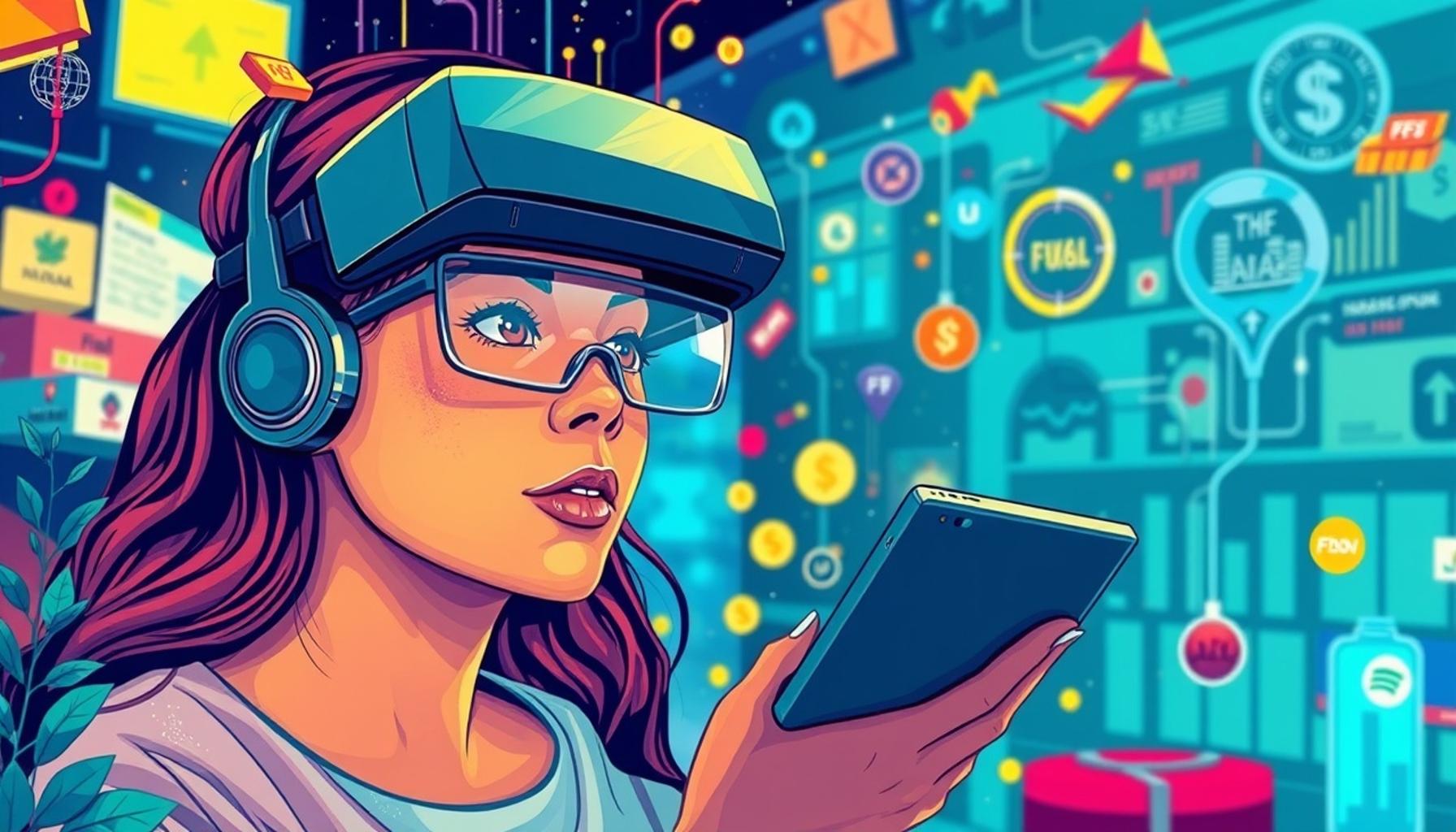
The Impact of Augmented Reality and Virtual Reality on Consumer Interaction
Recent advancements in augmented reality (AR) and virtual reality (VR) technologies have significantly transformed the way consumers engage with products and services. These innovations transcend mere technological trends; they are becoming essential tools in the modern retail landscape. As we navigate through 2023, it’s evident that AR and VR are not only enhancing user experiences but also redefining the purchasing process itself.
Immersive Shopping Experiences
Retailers are beginning to leverage VR to create immersive shopping experiences that mimic physical stores. For instance, companies like IKEA offer VR showrooms where customers can “walk” through lifelike spaces filled with furniture and home accessories. This virtual environment allows consumers to browse products in a way that traditional online shopping cannot replicate. Visitors can pick up items, inspect them up close, and even visualize how products might fit into their own homes before making a purchase. This approach does not only enhance convenience but also instills confidence in purchasing decisions.
Augmented Visualization
Meanwhile, AR is redefining how consumers visualize products in their own space. Apps such as Houzz and Wayfair employ AR technology, enabling users to see how a piece of furniture would look within their home environment before buying. For example, if a consumer is considering a new couch, they can use AR to superimpose a digital image of that couch in their living room. This augmented visualization minimizes uncertainty and allows for a more personalized shopping experience, effectively bridging the gap between online and in-store shopping.
Enhanced Gaming
The gaming industry has also embraced VR, providing players with experiences that are not just interactive but profoundly immersive. Games like “Beat Saber” or “Half-Life: Alyx” allow users to physically navigate a virtual world, interact with characters, and even manipulate their environments, fostering a deeper emotional connection to the gameplay. Such enhanced gaming experiences make it appealing not only to hardcore gamers but also to casual players seeking engaging entertainment. The emotional investment in VR games often leads to higher sales and increased player retention.
These advancements in AR and VR technologies are revolutionizing customer interactions and reshaping expectations within various industries. Brands are eagerly adopting these technologies, not only to captivate audiences but also to foster loyalty and increase conversion rates. As consumer preferences evolve, leveraging AR and VR creates a competitive edge that can be pivotal for businesses.
Staying informed about these trends is crucial for companies aiming to thrive in today’s fast-paced market. Understanding how AR and VR reshape the consumer journey can provide invaluable insights into the future of commerce and help businesses adapt to changing dynamics.
DON’T MISS OUT: Click here to learn how to avoid common credit card mistakes
Engaging the Consumer through Innovative Technologies
In 2023, the integration of augmented reality (AR) and virtual reality (VR) into the consumer experience is becoming increasingly sophisticated. These technologies are not only reshaping how products are marketed but are also enhancing the overall engagement between brands and consumers. As consumers become more tech-savvy, they are drawn to experiences that are interactive, engaging, and enriching. Here are some key influences that AR and VR are having on consumer interactions:
Personalized Marketing Strategies
Augmented reality allows brands to deliver personalized marketing experiences that resonate with individual consumers. For instance, cosmetics companies such as L’Oréal and Sephora utilize AR to offer virtual try-ons. Customers can upload photos and see how different makeup shades and products look on their own skin. This personalized approach creates a unique shopping experience while also reducing the likelihood of returns, as consumers are more likely to buy products they feel confident about.
Real-World Integration
Companies are employing AR to provide real-time information and interactive elements directly within physical stores. A common instance is the use of AR-enabled shopping apps that allow consumers to scan products with their smartphones. When they do so, they receive detailed information, customer reviews, and even promotional offers instantly. This real-world integration enhances the in-store experience and empowers consumers to make informed decisions without feeling overwhelmed by choices.
Virtual Events and Product Launches
VR has also paved the way for virtual events, enabling brands to host product launches and gatherings that bring consumers together in immersive digital spaces. For example, in 2023, tech companies have begun utilizing VR to launch new products in a fully virtual auditorium, allowing guests from around the globe to attend from the comfort of their homes. This level of accessibility not only broadens the consumer base but also creates a unique event atmosphere that traditional launch parties cannot provide.
Benefits of Implementing AR and VR
The shift to AR and VR technologies offers a myriad of benefits for businesses seeking to improve consumer interaction, including:
- Increased Engagement: Engaging customers through interactive experiences keeps them interested and drives brand loyalty.
- Higher Conversion Rates: With a more involved purchasing process that builds confidence, businesses often see a significant rise in sales.
- Enhanced Brand Awareness: Unique and memorable experiences create buzz around a brand, making it more likely that consumers will share their experiences on social media.
- Data Insights: Brands can collect valuable data from consumer interactions, allowing for improved marketing strategies tailored to specific audiences.
As the consumer landscape continues to evolve in 2023, companies that harness AR and VR technologies will not only meet modern-day expectations but will also forge stronger connections with their audience. Adapting to these innovations will be key for brands looking to stay relevant and competitive in the ever-changing market.
EXPLORE MORE: Click here for valuable tips
Transformative Experiences through AR and VR
As 2023 unfolds, the potential of augmented reality (AR) and virtual reality (VR) to transform the consumer experience continues to expand beyond marketing strategies and into immersive storytelling and experiential learning. Brands are beginning to understand that these technologies can forge deeper connections with consumers by providing experiences that stimulate emotions and foster brand affinity. Here are notable ways in which AR and VR are actively reshaping consumer experiences:
Immersive Storytelling
One of the standout applications of VR is its ability to create immersive storytelling experiences. Companies are leveraging this technology to take consumers on virtual journeys that tell the story of their brand, products, or values. For example, in 2023, travel companies offer carefully crafted virtual tours that provide a taste of vacation destinations, allowing potential travelers to explore stunning landscapes and local cultures before booking a trip. This not only enhances the consumer’s understanding but creates an emotional connection that could influence their purchasing decision.
Enhanced Customer Support
AR is revolutionizing customer support by providing consumers with a hands-on, interactive way to resolve issues. Among its many applications, furniture retailers like IKEA have adopted AR to help customers visualize how items will fit into their home space. Consumers can not only see how a piece will look but also receive step-by-step assembly instructions projected directly onto the furniture through their smartphone camera. This enhanced customer support significantly improves the post-purchase experience, as consumers feel empowered to set up their items without needing potentially confusing paper manuals.
Gamification of Shopping
Another fascinating development is the integration of gaming elements into the shopping experience through AR. Brands are embedding interactive games into their marketing campaigns or even within their stores. For example, in 2023, a well-known apparel company launched an AR scavenger hunt, encouraging customers to explore their flagship store to find hidden items and unlock discounts. This gamification of shopping not only makes the process entertaining but also increases foot traffic and creates memorable experiences that consumers are likely to share with their friends and family.
Bringing Virtual Communities Together
VR technology is also fostering a sense of community among consumers. Many brands are creating virtual spaces where fans can gather, share experiences, and interact with one another. For instance, a popular gaming brand held a virtual reality convention in 2023 where fans could come together to play games, attend panels, and network with industry professionals. These virtual communities not only deepen customer relationships but also create brand loyalty and advocacy as consumers become emotionally invested in their shared experiences.
Training and Education Experience
Beyond consumer marketing, both AR and VR are valuable tools for training and education. In 2023, retailers and service providers leverage these technologies to enhance employee training. For example, in the automotive sector, technicians can use VR simulations to practice repairs on virtual vehicles in a risk-free environment. This training and education experience allows employees to build skills and gain confidence without the pressure of a real-life scenario. As a result, companies see improved job performance and reduced errors, ultimately benefiting the customer.
The ways in which AR and VR are changing the landscape of consumer experience in 2023 are vast and varied, offering brands unique opportunities to engage, educate, and connect with their audience like never before.
LEARN MORE: Click here for insights on contracts
Transformative Impact of AR and VR
The advancements in augmented reality (AR) and virtual reality (VR) are not merely trends; they represent pivotal transformations that are reshaping consumer experiences in 2023. As brands increasingly adopt these technologies, they are unlocking powerful avenues for deeper engagement and richer storytelling. This shift resonates with consumers on an emotional level, creating connections that are often more memorable than traditional marketing methods. For instance, companies like Nike are using AR to allow customers to virtually try on shoes from the comfort of their homes, enhancing the shopping experience and reducing the likelihood of returns.
One of the standout features of AR and VR is their capacity for immersive storytelling. This technique allows customers to explore a brand’s values and offerings in a way that feels engaging and personal. For example, National Geographic has developed various VR experiences that let users dive into the world’s most stunning natural environments, educating them while also promoting conservation efforts. This compelling narrative draws consumers into a shared journey, effectively building brand loyalty and trust.
Enhanced Customer Interactions
Moreover, the gamification of shopping introduces an interactive element that transforms ordinary purchasing journeys into exciting adventures. Brands like Starbucks utilize rewards programs that blend gaming elements with customer engagement, encouraging repeat visits through a point system where customers can ‘level up’ by making purchases. This method not only makes shopping fun but also reinforces customer loyalty.
Furthermore, thriving virtual communities enhance connections among consumers, fostering a sense of belonging. These online groups enable users to share experiences and knowledge about products, which often amplifies brand visibility and consumer trust in organic ways. For instance, gaming communities often discuss and share in-game purchases, resulting in increased consumer interest and interactions.
Broader Applications Beyond Marketing
AR and VR are not confined to enhancing customer engagement; their applications extend into vital areas like training and education. Retailers and service providers utilize these technologies for employee training, offering simulations that enhance skill and product knowledge without the risks associated with real-life scenarios. For example, companies like Walmart have implemented VR to train employees in customer service and operational efficiency, leading to improved customer satisfaction and employee performance.
As we look to the future, it is essential that businesses embrace and innovate these technologies to meet the changing needs of their audiences. The continued integration of AR and VR into consumer experiences serves not just to enhance brand recognition and affinity but also to redefine how we interact in a digitally savvy world. Ultimately, as these technologies become commonplace, they will not only elevate the consumer journey but also fundamentally reshape the landscape of commerce and brand engagement, paving the way for more enriching experiences across various sectors.

Linda Carter
Linda Carter is a writer and expert known for producing clear, engaging, and easy-to-understand content. With solid experience guiding people in achieving their goals, she shares valuable insights and practical guidance. Her mission is to support readers in making informed choices and achieving significant progress.