
The Future of Mobility: How Technological Innovations Are Transforming Urban Transportation
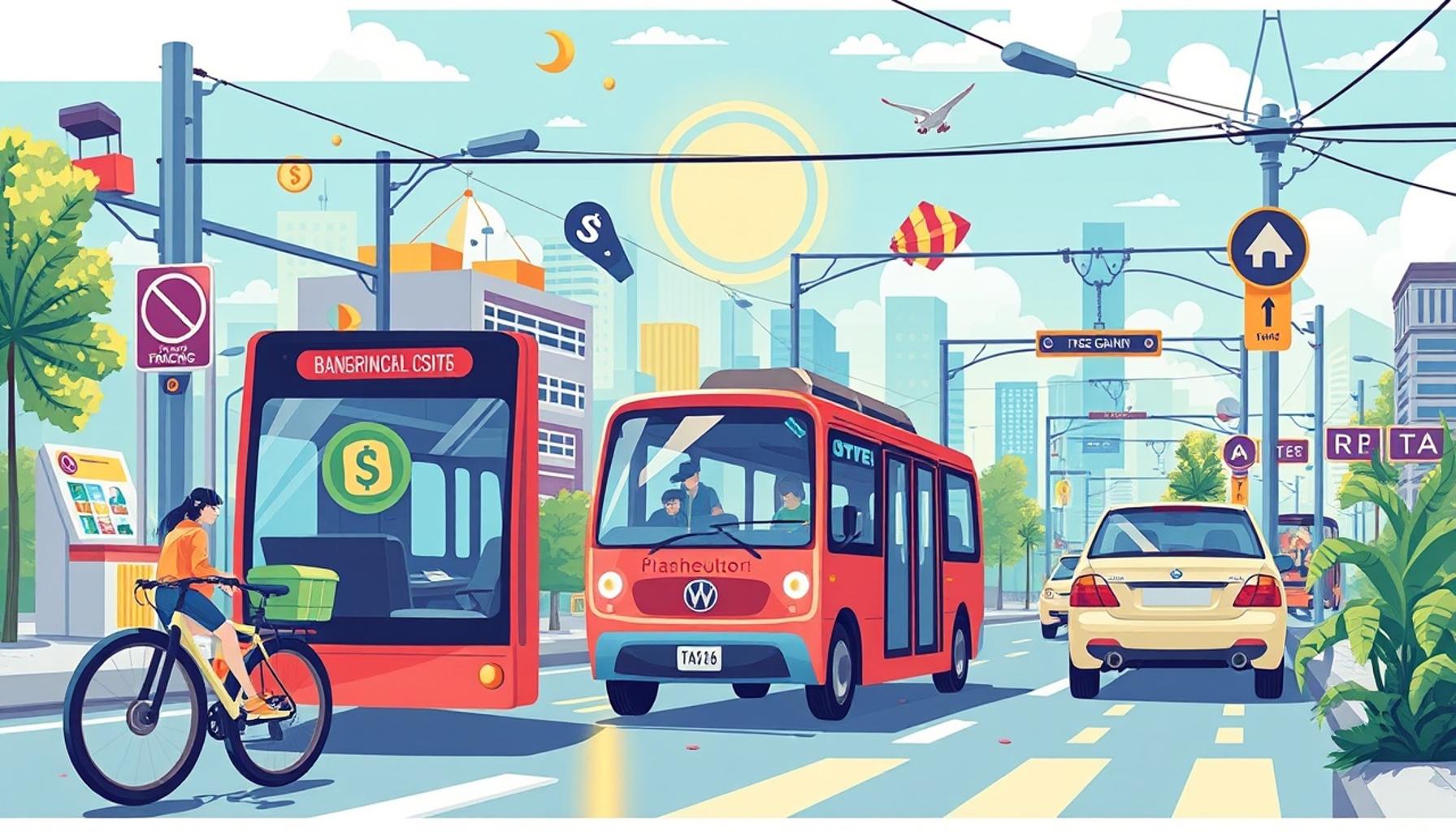
The Transformative Power of Technology in Urban Transportation
Urban transportation is experiencing a revolutionary change fueled by groundbreaking technological innovations. These advances are not only reshaping how we move but also improving efficiency, sustainability, and accessibility within cities. Modern urban dwellers now have access to a range of transportation options that were unimaginable just a few decades ago. This modern approach is pivotal as it aims to enhance the overall quality of life in bustling metropolitan areas.
Among the numerous innovations reshaping urban transportation, several key players stand out:
- Electric vehicles (EVs): As cities grapple with air quality issues and greenhouse gas emissions, the rise of electric vehicles has emerged as a significant remedy. EVs produce zero tailpipe emissions, making them an environmentally friendly alternative to traditional gasoline-powered vehicles. For instance, major car manufacturers, including Tesla and Ford, are investing heavily in EV technology, encouraging consumers to make the switch for cleaner air and reduced environmental footprints.
- Autonomous vehicles: Another fascinating innovation is the development of autonomous vehicles, or self-driving cars, which promise to redefine urban mobility. Companies like Waymo and General Motors are testing these vehicles, aiming for safer roads and reduced traffic congestion. The ability of autonomous vehicles to communicate with one another and infrastructure could lead to smoother traffic flow and reduced accident rates, making cities safer for everyone.
- Mobile apps: The advent of mobile applications has significantly streamlined transit options, enhancing user experience. Apps like Uber, Lyft, and Google Maps allow riders to efficiently plan their journeys by providing real-time data on public transport schedules and traffic conditions. This level of accessibility empowers users to make informed decisions on their commuting methods, often choosing more eco-friendly options.
- Smart infrastructure: Employing data and technology for real-time traffic management, smart infrastructure is essential in modern urban planning. Cities like San Francisco have begun utilizing smart traffic lights and sensors to optimize traffic patterns, thereby reducing congestion and improving travel times. This investment in infrastructure not only saves time but also diminishes overall emissions from idling vehicles.
The synergy of these technologies is not solely about convenience. It aims to create a comprehensive framework for smart cities, where technology seamlessly integrates into daily life, improving mobility and efficiency. The ongoing development of interconnected transportation systems promises to help alleviate pressing challenges like urban congestion, pollution, and accessibility.
As we move toward a future where technology enhances urban transportation, the implications for residents across the United States are significant. The transformative trends discussed in this article are paving the way for a more connected and sustainable environment for everyone. With these advancements, cities can expect to see not just improved efficiency in movement but also a greater emphasis on public health and environmental stewardship in everyday transportation.
DIVE DEEPER: Click here to learn more about the differences
Electric Vehicles: Driving Change Toward Sustainability
One of the most significant advancements in urban transportation is the increasing adoption of electric vehicles (EVs). As urban centers face the dual challenge of improving air quality and reducing greenhouse gas emissions, EVs have emerged as a vital solution. Unlike traditional vehicles powered by internal combustion engines, electric cars produce zero tailpipe emissions, making them far more environmentally friendly. In cities like Los Angeles and New York, more residents are opting for EVs, thanks to incentives such as tax rebates and the growing availability of charging stations.
In addition to environmental benefits, electric vehicles also contribute to economic advantages. By reducing dependency on imported fossil fuels, cities can enhance their local economies. For instance, as more individuals switch to electric vehicles, the demand for EV-related jobs, such as manufacturing and infrastructure development, is rapidly increasing. The automotive industry is well aware of these trends; companies like Tesla and Nissan are ramping up production to meet soaring demand.
Autonomous Vehicles: A New Era of Safety and Efficiency
Autonomous vehicles (AVs) represent another exciting frontier in urban transportation. These self-driving cars utilize advanced technologies such as artificial intelligence, sensors, and machine learning to navigate environments without human intervention. Companies like Waymo, which operates in cities like Phoenix, Arizona, are at the forefront of testing these vehicles. The promise of AVs is not just about convenience but also about enhancing road safety; studies suggest that up to 90% of traffic accidents are caused by human error. With improved communication between AVs and traffic systems, the potential for reduced accident rates and better traffic flow becomes a real possibility.
Moreover, the integration of AVs into public transportation systems can significantly boost efficiency. Envision a scenario where autonomous buses or shuttles operate in sync with existing public transit schedules, making connections seamless and hassle-free for commuters. This transformation could diminish the reliance on personal vehicles, leading to fewer cars on the road, less congestion, and lower emissions overall.
The Role of Mobile Apps in Seamless Transit Solutions
As urban residents seek flexibility in their commuting options, mobile applications play a crucial role in streamlining transit systems. Platforms like Uber and Lyft have revolutionized how people connect with private transportation, while apps like Citymapper and Transit offer comprehensive public transit schedules and updates. With real-time information at their fingertips, users can make informed decisions about their journeys, reducing wait times and enhancing overall convenience.
These applications also encourage environmentally friendly choices. For instance, many apps now integrate bike-sharing or carpooling features, allowing users to explore more sustainable transportation options. By promoting greater awareness and accessibility of these alternatives, technology is fostering a cultural shift where urban dwellers prioritize greener travel methods.
In the broader context, these technological innovations contribute to the overarching goal of creating smart cities. The fusion of EVs, AVs, and advanced mobile applications enables a more efficient, sustainable urban transportation ecosystem. As we delve deeper into the impacts of these changes, it’s evident that the future of mobility promises to enhance not just transportation, but the livability of cities as well.
DISCOVER MORE: Click here for valuable tips
Infrastructure Developments: Building a Smart Urban Landscape
The evolution of urban transportation is not solely reliant on innovative vehicles and mobile applications; it also necessitates the development of robust infrastructure. Smart infrastructure is essential to accommodate the new wave of electric and autonomous vehicles, as well as to support the extensive use of public transportation. Cities across the United States are investing in upgrades to their roadways, bridges, and public transit systems to ensure they can effectively integrate these new technologies.
For example, cities like San Francisco are deploying intelligent transportation systems (ITS) that enhance traffic management through real-time data collection and analytics. These systems use connected sensors and cameras to monitor traffic patterns, enabling traffic signals to adjust dynamically, reducing congestion and improving travel times. The implementation of such systems can lead to a notable drop in city-wide traffic accidents and promote smoother commutes.
Public Transit Innovations: Enhancing Accessibility and Efficiency
Public transportation is undergoing significant changes driven by technology. Modern public transit systems are increasingly adopting electric buses and upgraded rail systems to provide more sustainable options for commuters. Cities like Seattle have begun to deploy electric buses, which emit zero emissions and lower operating costs compared to traditional diesel buses. This transition not only supports environmental goals but also enhances the overall passenger experience with quieter, more comfortable rides.
Additionally, the introduction of mobility-as-a-service (MaaS) platforms is revolutionizing how residents access public transit. These platforms combine various transportation services, allowing users to plan, book, and pay for multiple modes of transportation from a single application. For instance, a commuter could use a MaaS app to select a combination of electric bike rental, public bus, and an Uber ride to reach their destination seamlessly. Such innovations improve the accessibility of public transit, making it a more attractive option and reducing the reliance on personal vehicles.
Urban Air Mobility: The Sky’s the Limit
Looking toward the future, the concept of urban air mobility (UAM) is beginning to take flight. This includes the development of electric vertical takeoff and landing (eVTOL) aircraft, which promise a new dimension of urban transport. Companies like Joby Aviation and Archer are spearheading initiatives to create air taxis that can alleviate ground traffic and provide rapid transit across metropolitan areas.
While UAM is still in its infancy, cities like Los Angeles and Dallas-Fort Worth are already considering air mobility as a component of their long-term transportation planning. The feasibility studies and pilot programs underway aim to address challenges such as noise pollution, safety regulations, and infrastructure needs for vertiports—designated areas for eVTOL landings and takeoffs. The potential for urban air mobility could not only reduce commute times but also transform the way city dwellers view daily transportation, making long-distance urban travel as easy as a few minutes in the sky.
The transformations currently underway in urban transportation systems highlight a comprehensive approach to solving the pressing mobility challenges cities face today. By combining electric and autonomous vehicles, advanced mobile applications, smart infrastructure, and innovative public transport solutions, cities are poised to create a future where mobility is efficient, sustainable, and accessible to all.
DISCOVER MORE: Click here to learn about the impact of social media on public opinion
Conclusion: Embracing a Transformative Future in Urban Mobility
As we look to the horizon of urban transportation, it is clear that technology is reshaping the way we move through our cities. The integration of electric vehicles, autonomous systems, and smart infrastructure is creating a seamless transportation network that prioritizes efficiency and sustainability. Cities are at a crucial juncture, where investments in intelligent transportation systems can significantly enhance the flow of traffic and reduce emissions, leading to better air quality and safer streets.
The role of public transit has also evolved, with innovations such as electric buses and mobility-as-a-service (MaaS) platforms enhancing accessibility and streamlining commuting experiences. By facilitating connections between various modes of transport, these developments encourage residents to choose public transportation over personal vehicles, reducing congestion and emissions.
Moreover, the emergence of urban air mobility holds the promise of a transformative addition to our transportation toolkit. As cities explore the potential of air taxis, we may soon find commuting across urban jungles becoming as effortless as hopping in a helicopter instead of navigating through traffic jams. However, the successful integration of such advanced technologies will require thoughtful planning and collaboration among city planners, transportation agencies, and technology developers to address challenges regarding safety, infrastructure, and community impact.
In conclusion, the future of mobility is not just a technological revolution but a movement towards more livable, connected, and sustainable urban environments. Embracing these innovations will lead us to a future where transportation is simplified, accessible, and aligned with the goals of a resilient and eco-friendly urban landscape. The opportunity to transform how we navigate our cities is at hand, and it is imperative we seize it with a spirit of innovation and inclusivity.

Linda Carter
Linda Carter is a writer and expert known for producing clear, engaging, and easy-to-understand content. With solid experience guiding people in achieving their goals, she shares valuable insights and practical guidance. Her mission is to support readers in making informed choices and achieving significant progress.