
The Future of Remote Work: How Digital Technologies Are Transforming the Work Environment
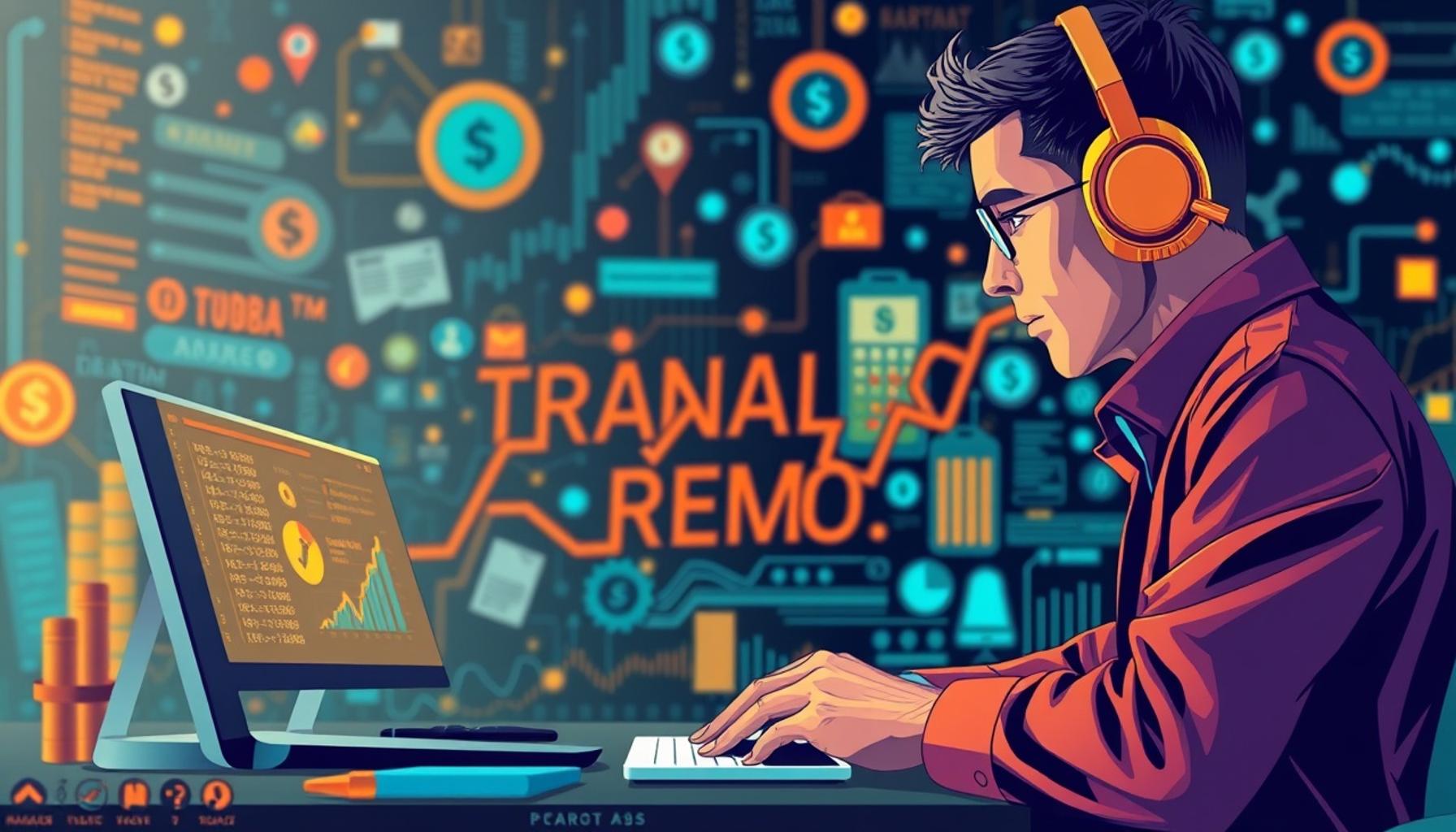
Understanding the Transformation of the Modern Work Environment
The transformation of the workplace is creating exciting opportunities and challenges as more and more employees connect from various locations. Digital technologies have become pivotal in reshaping the traditional office model, enabling a work-from-anywhere culture that prioritizes flexibility and efficiency. As a result, teams can now operate seamlessly, regardless of geographical distances.
Key factors driving this shift include:
- Cloud Computing: This technology allows individuals to access files and applications over the internet instead of being tied to a specific device or location. For instance, tools like Google Drive and Dropbox enable team members to collaborate on documents in real time, making it easier to share updates and make immediate changes, regardless of whether they are in their home office or on the go.
- Video Conferencing Tools: Platforms such as Zoom and Microsoft Teams have transformed how we communicate. These tools allow for face-to-face interactions, which can help build relationships and facilitate discussions that would otherwise require physical presence. They also provide features like screen sharing and breakout rooms, enhancing collaboration during meetings.
- Project Management Software: Solutions like Asana and Trello allow teams to organize tasks and track project timelines effectively. They can assign tasks to team members, set deadlines, and monitor progress visually. This level of organization helps ensure that everyone is on the same page and that projects move forward efficiently.
The benefits of these technologies are noteworthy. With increased flexibility in work hours and locations, employees often find that they can better manage personal and professional responsibilities. For example, parents may enjoy the ability to attend school events without sacrificing work commitments. Meanwhile, employers can expand their talent search beyond local boundaries, attracting skilled professionals who may prefer remote work due to its convenience.
However, it’s crucial to acknowledge that this transition presents certain challenges. Issues surrounding cybersecurity have become more pronounced as companies must safeguard sensitive information shared across various devices and networks. Additionally, the risk of employee isolation has emerged, with individuals feeling disconnected from their colleagues due to the lack of a traditional office environment. Maintaining a strong company culture can also be difficult when teams are dispersed, as nurturing relationships and collaboration becomes less organic.
As we navigate these changes, understanding the dynamics of remote work is essential. By leveraging technology effectively and addressing the associated challenges, both employees and employers can create an inclusive and productive workplace that thrives in this evolving landscape.
DISCOVER MORE: Click here for additional insights
Essential Technologies Shaping Remote Work
As remote work becomes increasingly prevalent, several transformative technologies are driving this evolution forward. These innovations not only streamline workflows and enhance collaboration but also fundamentally alter how organizations approach work itself. Let’s delve into some of these essential technologies that are shaping the remote work landscape.
1. Cloud-based Collaboration Tools
One of the most significant advancements in remote work technology is cloud-based collaboration tools. These platforms allow teams to not only store and access data but also work together in real time, regardless of their physical locations. Applications such as Microsoft 365 and Slack provide integrated environments where communication, document sharing, and task management happen seamlessly. For example, a marketing team can collaboratively edit presentations while on a video call, ensuring collective input without the hindrance of emailing files back and forth.
2. Enhanced Cybersecurity Solutions
With the rise of remote work, cybersecurity has become a paramount concern. Organizations are now investing in solutions to protect sensitive information. Technologies such as Virtual Private Networks (VPNs) and advanced encryption methods help safeguard data when accessed from different devices and locations. For instance, a remote employee accessing corporate files from a coffee shop’s Wi-Fi network can utilize a VPN to shield their connection from potential threats, thereby maintaining company confidentiality.
3. Employee Well-being Applications
In a remote environment, maintaining employee well-being is critical. Thus, organizations are leveraging wellness applications to support their workforce’s mental and physical health. Tools like Headspace provide resources for meditation, while platforms such as Friday enable feedback and check-ins to foster engagement. For example, a company may utilize these tools to encourage regular mental breaks and ensure employees feel supported, ultimately boosting productivity and morale.
4. Remote Onboarding Solutions
Onboarding new employees into a remote work culture requires a solid plan to ensure that they feel welcomed and integrated. Remote onboarding solutions, such as virtual tours and interactive training sessions, have emerged to facilitate this process. Companies may use software like BambooHR or Workable to guide new hires through company policies, team introductions, and essential training modules. Such initiatives help create a sense of belonging, even from afar.
Through the integration of these technologies, businesses can adapt to the future of work while addressing the unique challenges of a remote setting. As digital solutions continue to evolve, organizations must remain agile, embracing innovations that enhance not only productivity but also the overall employee experience.
DISCOVER MORE: Click here to learn how to set long-term goals
Future-Proofing Remote Work with Emerging Technologies
As organizations navigate the complexities of remote work, the integration of emerging technologies is essential for creating resilient and adaptable work environments. These innovations go beyond facilitating everyday tasks; they are paving the way for a future in which remote work can thrive sustainably. Let’s explore additional technologies influencing the trajectory of remote work.
1. Artificial Intelligence and Automation
Artificial intelligence (AI) is revolutionizing the remote work experience by automating routine tasks, thereby allowing employees to focus on higher-value activities. AI-powered tools can analyze large datasets to provide insights that support decision-making. For instance, machine learning algorithms can predict project timelines based on historical data, significantly reducing planning errors. Companies like Trello have integrated AI to recommend optimal task assignments based on team members’ past performance, enhancing efficiency and engagement.
2. Virtual Reality and Augmented Reality
Virtual reality (VR) and augmented reality (AR) are transforming professional development and collaboration in remote settings. These immersive technologies allow employees to engage in virtual training sessions or team-building activities as if they were in the same physical space. For example, a design team could use VR to showcase product prototypes during remote meetings, enabling real-time feedback without needing a physical model. This level of interaction fosters creativity and teamwork, essential components of a productive work culture.
3. Advanced Project Management Systems
As projects become more complex, advanced project management systems are gaining traction among remote teams. Platforms like Asana and Monday.com allow teams to track progress, assign tasks, and meet deadlines more effectively. These systems feature visual dashboards that provide a clear overview of team responsibilities and project timelines, facilitating accountability. Moreover, they help teams stay aligned on objectives, regardless of their geographical separation.
4. Internet of Things (IoT) in Remote Work
The Internet of Things (IoT) is an emerging technology that connects various devices, offering greater efficiency and real-time data collection. In a remote work setting, IoT can streamline home office setups by integrating smart devices like thermostats and lighting systems, enhancing comfort and productivity. For example, remote workers can adjust their workspace environment through mobile apps, ensuring optimal conditions for focus and creativity. This integration also helps companies gather data on employee home setups to better support remote work policies.
5. Blockchain for Secure Transactions
Lastly, blockchain technology provides an innovative approach to enhance security and transparency in remote work transactions. This decentralized ledger technology can support secure digital contracts, ensuring that agreements between remote workers and organizations are tamper-proof. Companies can use blockchain to automate and verify transactions, such as payments for freelance services, reducing the potential for disputes and enhancing trust among team members. This technology empowers organizations to forge strong, secure relationships even in a fully remote environment.
The integration of these cutting-edge technologies is essential for organizations looking to thrive in the evolving landscape of remote work. By embracing these innovations, businesses not only gain competitive advantages but also create an engaging, efficient, and secure work environment for their teams.
DIVE DEEPER: Click here for more insights
Conclusion
As we reflect on the transformative power of digital technologies, it is clear that the future of remote work is both exciting and complex. Emerging innovations such as artificial intelligence, virtual reality, and the Internet of Things are reshaping the landscape, allowing organizations to build more effective, engaging, and secure remote work environments. These tools not only streamline communication and collaboration but also empower employees by providing options that cater to their individual work styles and needs.
Moreover, as organizations continue to tap into advanced project management systems and blockchain technology, the potential for a more transparent and cohesive remote workforce emerges. Emphasizing flexibility and security, these technologies foster trust, enhance productivity, and support the unique demands of a diverse global workforce. The shift towards remote work is here to stay, and the integration of these technologies will be crucial for businesses striving to remain competitive.
Ultimately, embracing these changes requires an open mindset and a willingness to adapt. As we step into this new era of work, it is essential for both employees and organizations to remain proactive in leveraging digital advancements. By doing so, they not only enhance their operations but also create a future where remote work is not just an alternative but a preferred approach to achieving success.

Linda Carter
Linda Carter is a writer and expert known for producing clear, engaging, and easy-to-understand content. With solid experience guiding people in achieving their goals, she shares valuable insights and practical guidance. Her mission is to support readers in making informed choices and achieving significant progress.