
The Impact of Artificial Intelligence on the Remote Work Industry
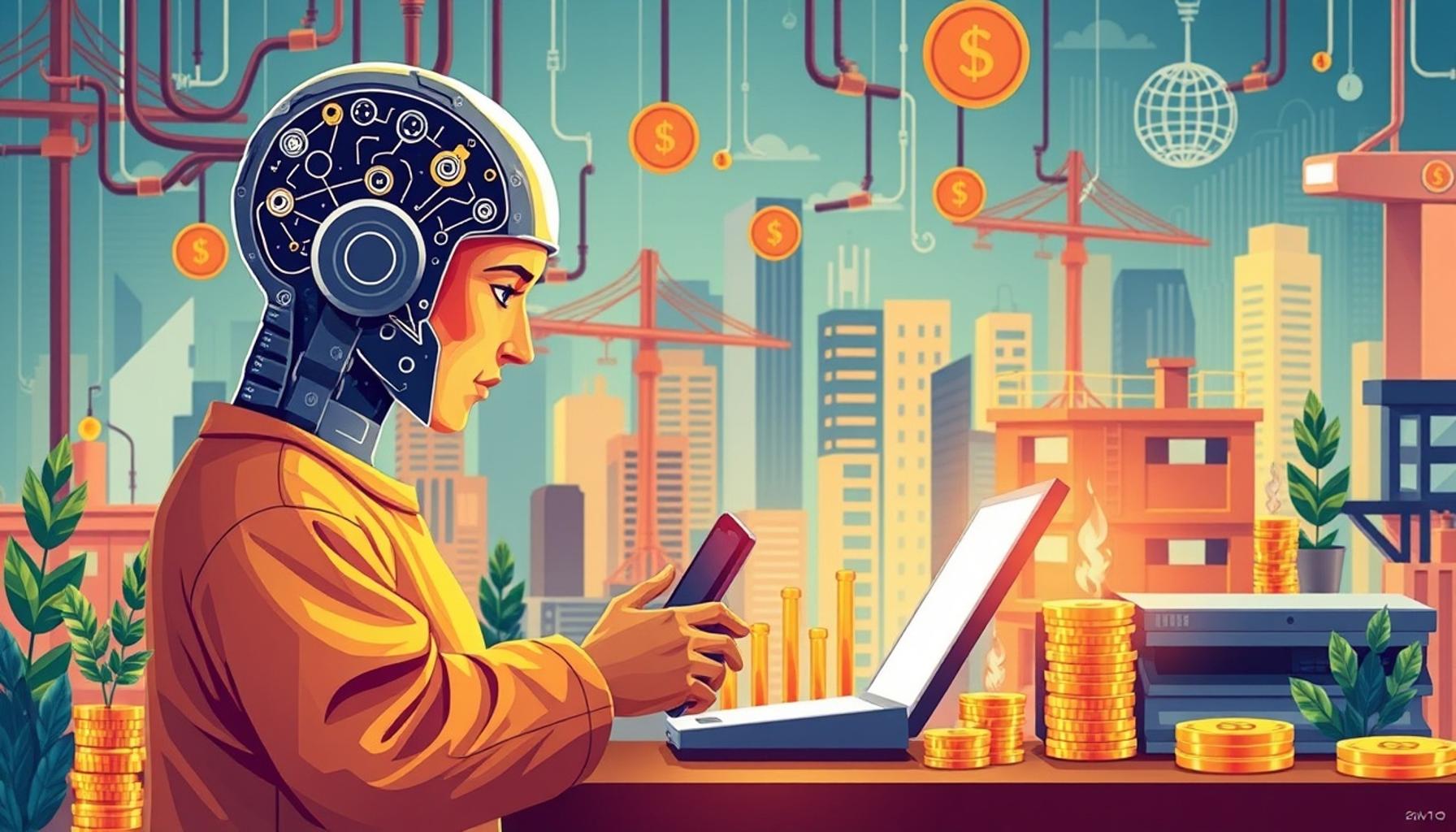
Understanding the Impact of AI on Remote Work
In today’s rapidly changing workplace, the integration of artificial intelligence (AI) has brought about a transformative shift, particularly in the context of remote work. While many employees had to adapt to working from home, the use of AI technology has provided essential support that enables a smooth transition and enhances productivity.
One of the primary advantages AI offers is automation. Automation helps eliminate repetitive and mundane tasks such as scheduling meetings or managing email correspondence. For instance, AI tools like virtual assistants can automatically schedule appointments by checking everyone’s availability instead of having employees spend valuable hours coordinating schedules manually. This added efficiency allows employees to concentrate on more strategic and valuable work, thereby increasing their overall productivity.
Next, data analysis capabilities of AI can greatly influence decision-making processes in businesses. AI can process and analyze large datasets in a fraction of the time it would take a human, allowing companies to quickly extract meaningful insights. For example, a marketing team can utilize AI-powered analytics to understand customer behavior and preferences, leading to tailored marketing campaigns that resonate more with their target audience. This not only fosters better customer relationships but also enhances sales and profitability.
Furthermore, the role of communication tools powered by AI cannot be understated. With teams distributed across various locations, intelligent communication platforms have become essential. Tools such as Slack or Microsoft Teams integrate AI functionalities that enhance virtual meetings and collaboration. For example, AI-driven transcription services automatically generate meeting notes, ensuring that no important points are missed. This feature not only saves time but also supports inclusivity, allowing team members who were unable to attend the meeting to catch up easily.
In addition to improving efficiency, AI has the potential to improve productivity significantly. As AI systems learn from employee behaviors and routines, they can suggest optimal work schedules and prioritize tasks based on urgency and importance. For example, an AI tool might recommend focusing on a project during the hours when an employee is most productive based on past performance data.
Moreover, personalized experiences fostered by AI can greatly enhance employee engagement. By analyzing individual employee preferences and work habits, AI can tailor development programs that cater to personal growth and job satisfaction. For instance, AI might suggest specific online courses for skill enhancement, reflecting a commitment to an individual’s career advancement.
Lastly, AI technology enables companies to create more flexible environments. By adapting to various working styles, AI can help optimize how and when employees perform their tasks. Some employees thrive on structured schedules while others may prefer flexibility, and AI can adjust accordingly, ensuring that workers feel supported in their unique working preferences.
As we continue to explore the role of AI in shaping the future of remote work, it becomes clear that understanding its impacts allows businesses to leverage these tools effectively. By embracing AI innovation, organizations can not only enhance productivity but also navigate the evolving landscape of work with greater confidence.
DISCOVER MORE: Click here to learn how to transition your career securely
The Benefits of AI Automation in Remote Work
One of the most profound impacts of artificial intelligence on the remote work industry is its capability for automation. In traditional office environments, employees often juggle multiple tasks, which can lead to burnout and decreased productivity. However, with AI stepping in, the burden of monotonous tasks is significantly reduced, allowing employees to focus on what truly matters.
For example, consider the process of handling customer inquiries. An AI chatbot can manage basic inquiries, providing instant responses to customers while freeing human employees to tackle more complex issues. This not only improves customer satisfaction but also boosts morale among team members, as they can engage in more meaningful tasks.
Similarly, AI-assisted project management tools can streamline workflows by prioritizing tasks and setting deadlines based on project requirements. These applications can analyze workloads and suggest optimal deadlines, ensuring that teams remain productive without feeling overwhelmed. This dynamic task management allows employees to deliver high-quality workmore efficiently.
Enhancing Collaboration Through AI
As remote work becomes more prevalent, effective collaboration tools are essential. AI-enhanced platforms are designed to facilitate seamless communication among team members, regardless of their geography. Some key features include:
- Smart Scheduling: AI can analyze team availability and automatically schedule meetings, eliminating the back-and-forth of finding common times.
- Language Translation: For companies with multilingual teams, AI can provide real-time translation during meetings, ensuring everyone can participate fully.
- Performance Tracking: Analytics tools can monitor team engagement and participation during meetings, providing valuable insights into team dynamics.
These features encourage collaboration, foster an inclusive atmosphere, and ultimately lead to a more connected workforce. The benefits are especially pronounced when teams are dispersed across different time zones, as AI can bridge communication gaps effectively.
Boosting Employee Satisfaction
Another significant advantage of AI in the remote work environment is its role in enhancing employee satisfaction. By automating repetitive tasks and streamlining workflows, employees often report an increase in job satisfaction. They can invest more time in creative endeavors or problem-solving, which leads to a sense of achievement and purpose.
Additionally, AI tools can help identify areas where employees might feel challenged or disengaged. For instance, AI can assess performance data to pinpoint when someone might be feeling overwhelmed by their workload. This allows managers to intervene and offer support, fostering a healthier work-life balance among remote employees.
As we move deeper into the era of AI, it’s crucial for businesses to recognize these tools as not only technological advancements but also as invaluable resources that enhance the remote work experience. By leveraging AI for automation, collaboration, and employee satisfaction, organizations can cultivate a thriving workforce well-equipped to meet the challenges of modern work demands.
DISCOVER MORE: Click here for insights on salary negotiations
Transforming Talent Acquisition and Management
Artificial intelligence is proving to be a game-changer in the realm of talent acquisition and management within remote work settings. As businesses transition to fully or partially remote teams, finding the right talent becomes a critical endeavor. AI-driven platforms enable organizations to streamline the recruitment process, ensuring that they not only attract top candidates but also match the right people with the right roles.
For instance, AI can sift through vast pools of resumes, analyzing keywords and experience to shortlist candidates who meet specific criteria. This not only speeds up the hiring process but also reduces bias by focusing on skill sets rather than personal information that may introduce prejudices. With this technology, recruiters can spend more time engaging with candidates and understanding their cultural fit within the organization.
AI tools also aid in employee onboarding, which can be a challenging phase for remote workers. Virtual training platforms that utilize AI can create personalized learning paths based on an individual’s previous experience and skill level. This ensures a more effective onboarding experience, equipping new hires with the knowledge and confidence to contribute meaningfully from the start.
The Power of Predictive Analytics
Another significant contribution of AI in the remote work industry lies in the implementation of predictive analytics. By analyzing patterns in employee performance and engagement, AI systems can forecast future outcomes within the workforce. For example, these systems can identify the likelihood of employee turnover, allowing managers to take proactive steps to retain talent before issues escalate.
Furthermore, predictive analytics can inform professional development strategies. If certain skills are forecasted to be in demand within the organization, AI can suggest training programs tailored to develop those competencies in the workforce. This not only empowers employees but demonstrates a commitment to their growth, which further enhances job satisfaction and retention.
AI-Driven Insights for Remote Work Efficiency
The integration of AI into remote work tools also generates valuable insights that can lead to enhanced operational efficiency. AI-enabled software can track productivity metrics, identifying when employees are most productive and when they may be experiencing lulls in their workflow. By leveraging this data, managers can better understand workload distribution and adapt their strategies to optimize team performance.
For example, if an AI tool indicates that a particular team performs best during the afternoon, management can consider adjusting meeting schedules or deadlines to maximize productivity. Moreover, by analyzing the factors contributing to inefficiencies, organizations can refine their processes and eliminate potential obstacles, leading to a more streamlined operation.
These AI-driven insights into both individual and team dynamics can transform how organizations approach workflow management in a remote context. The ability to analyze real-time data and adapt accordingly ensures that businesses not only maintain productivity but also foster a healthier work culture, where employees feel supported and understood.
As artificial intelligence continues to evolve, its role in shaping the future of remote work is becoming more pronounced. Understanding the nuances of how AI can be effectively harnessed will be key for organizations looking to thrive in this changing landscape.
DISCOVER MORE: Click here for expert tips on planning your retirement as a freelancer
Conclusion
In summary, the emergence of artificial intelligence is fundamentally reshaping the remote work industry in numerous innovative ways. From enhancing talent acquisition and streamlining the hiring process to fostering personalized onboarding experiences, AI provides organizations with the tools necessary to identify and nurture talent effectively. By leveraging predictive analytics, companies can proactively address turnover and engage in targeted professional development, ensuring that employees are equipped with relevant skills for future demands.
Moreover, the insights gained from AI-driven tracking of productivity pave the way for smarter operational strategies, optimizing workflows and creating a supportive work environment where employees can thrive. As AI continues to evolve, it presents both opportunities and considerations that organizations must embrace to stay competitive in an ever-changing landscape.
Ultimately, the successful integration of artificial intelligence into remote work practices can lead to a more agile, efficient, and fulfilling workplace. By understanding and adapting to these technological advancements, companies are not only better positioned to face today’s challenges but also to harness the full potential of their workforce for future success. As such, the journey with AI in remote work is just beginning, and those who recognize its impact will undoubtedly find themselves at the forefront of innovation in how we work.

Linda Carter
Linda Carter is a writer and expert known for producing clear, engaging, and easy-to-understand content. With solid experience guiding people in achieving their goals, she shares valuable insights and practical guidance. Her mission is to support readers in making informed choices and achieving significant progress.