
Trends in Sustainable Technology and Their Effect on Climate Change
The Importance of Sustainable Technology
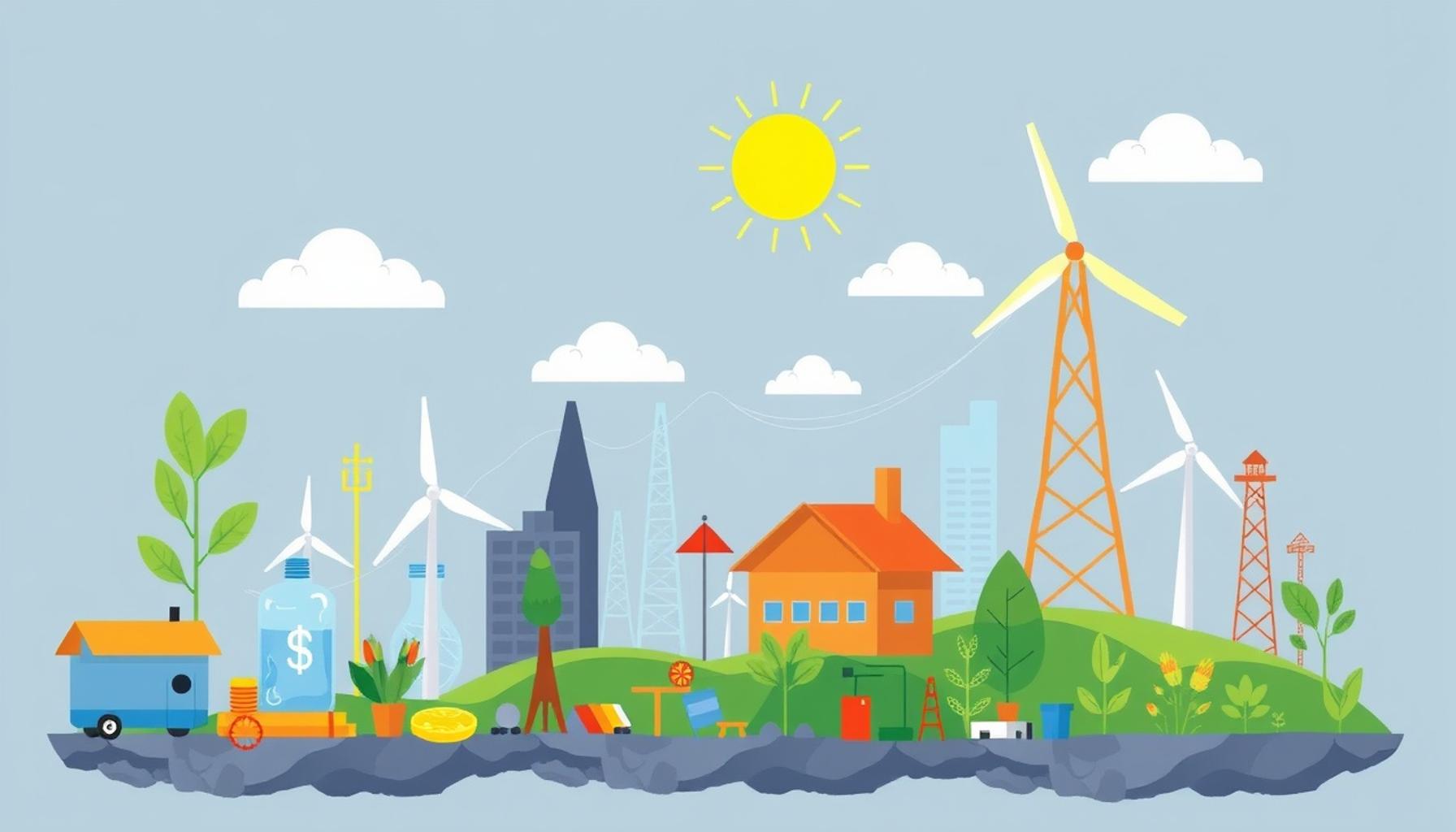
The urgency to tackle climate change necessitates a fundamental shift in how we think about technology and its applications. Embracing sustainable technology is not merely a passing trend, but an essential step towards fostering a healthier planet and ensuring a livable environment for future generations. These innovations significantly influence how industries operate and how individuals interact with the world around them, making education on these advancements vital for informed decision-making.
Defining Sustainable Technology
Sustainable technology refers to a diverse array of solutions and practices designed to minimize environmental impact while promoting societal wellbeing. Here are some pivotal examples:
- Renewable energy sources: Technologies such as solar panels, wind turbines, and geothermal systems are changing the landscape of energy production. For instance, in California, solar energy has become an increasingly prevalent power source, enabling residents to tap into clean energy while reducing dependence on fossil fuels.
- Green building practices: Sustainable architecture incorporates environmentally-friendly materials and designs that prioritize minimal resource use and energy efficiency. For example, buildings designed to meet the LEED (Leadership in Energy and Environmental Design) certification utilize local materials and energy-efficient technologies to create spaces that are better for both occupants and the environment.
- Electric vehicles (EVs): With manufacturers like Tesla leading the charge, EVs are becoming commonplace on American roads. These vehicles significantly lower greenhouse gas emissions that would otherwise stem from traditional gasoline-powered cars. In cities like San Francisco, incentives for electric vehicle adoption have spurred growth in charging infrastructure, making EV use more accessible.
Impact on Climate Change
Beyond their innovative nature, sustainable technologies play a crucial role in our collective efforts to combat climate change. Their influence can be observed through several key effects:
- Reduction of carbon footprints: By integrating sustainable technologies, both individuals and businesses can substantially decrease the carbon emissions that contribute to climate change. For example, shifting from fossil fuel heating systems to efficient electric heat pumps can significantly cut down residential energy consumption.
- Promotion of a circular economy: Technologies designed to facilitate recycling and waste reduction are vital for sustaining resources. In cities like New York, initiatives like composting programs reduce food waste while turning it into a valuable resource for local gardens.
- Enhancement of energy efficiency: Smart technologies that allow for better energy management—like smart thermostats and LED lighting—help optimize energy use in homes and businesses, reducing overall consumption and costs.
Conclusion
The adoption of sustainable technologies not only addresses urgent environmental concerns but also fosters innovations that can drive economic growth and societal health. By understanding and embracing these advancements, individuals and communities can actively contribute to creating a more sustainable future. The choices we make today, whether in our energy consumption or transportation methods, define the world we will leave for generations to come.
LEARN MORE: Click here for the full guide
Emerging Trends in Sustainable Technologies
As society increasingly recognizes the importance of combating climate change, a variety of innovative sustainable technologies are emerging. These technologies not only offer solutions to environmental challenges but also create opportunities for economic advancement and enhanced quality of life. Understanding these trends is essential for individuals, businesses, and policymakers alike as they seek to make informed choices that contribute to sustainability.
Renewable Energy Expansion
The transition to renewable energy is one of the most significant trends shaping the future of sustainable technology. With a clear focus on reducing greenhouse gas emissions, various renewable sources are being harnessed more efficiently:
- Solar power: Advances in solar panel technology have made them more affordable and efficient. The introduction of solar roof tiles, which blend seamlessly with traditional roofing materials, allows homeowners to generate their own electricity while maintaining the aesthetic appeal of their homes.
- Wind energy: Innovative offshore wind farms are being developed, especially along the coasts of states like Texas and Massachusetts, where they harness stronger and more consistent winds. These offshore installations can generate significant amounts of clean energy, powering thousands of homes and businesses.
- Hydropower advancements: New micro-hydropower technologies are making it possible for small-scale energy production in rural areas with rivers or streams. This localized approach helps communities become more energy independent and reduces the reliance on fossil fuels.
Smart Technology Integration
Another important trend in sustainable technology is the integration of smart technology across various sectors. Smart systems enable energy-efficient management and optimization through data analytics and automation. Consider the following examples:
- Smart homes: Innovations such as automated lighting systems and programmable thermostats allow residents to monitor and control energy usage easily. These systems can reduce waste by ensuring that heating and cooling occur only when necessary.
- Smart grids: These electrical grids utilize digital communication technology to monitor and efficiently manage the distribution of electricity. With enhanced control over energy flow, smart grids can better accommodate renewable energy sources and improve reliability.
- Connected transportation: Smart technology is also transforming the transportation sector. Initiatives like ride-sharing and carpooling apps reduce the number of vehicles on the road, leading to lowered emissions and energy consumption.
The Rise of Sustainable Farming
The agricultural sector is embracing technology to promote sustainable farming practices that prioritize environmental health while ensuring food security. Recent advancements include:
- Precision agriculture: Utilizing drones, sensors, and data analytics, farmers can monitor crop health and optimize resource use, reducing waste significantly. This approach not only improves yields but also ensures that natural resources are conserved.
- Aquaponics and hydroponics: These soilless farming techniques allow for sustainable food production using minimal water and space. They exemplify how advances in technology can lead to efficient farming methods that are less destructive to the environment.
These trends illustrate the dynamic nature of sustainable technology and its potential to create a positive impact on our planet. By adopting and promoting these technologies, we move toward a future where economic growth and environmental stewardship go hand in hand.
DISCOVER MORE: Click here to learn how to break down your goals
Advancements in Sustainable Materials and Circular Economies
Alongside renewable energy and smart technologies, a significant focus lies on the development of sustainable materials and the promotion of circular economies. These practices aim to create a healthier planet by minimizing waste and maximizing resource efficiency. Innovative approaches in material science and production processes are paving the way for a more sustainable future.
Eco-Friendly Materials
The exploration of eco-friendly materials is reshaping various industries, from construction to fashion. Here are a few notable developments:
- Biodegradable plastics: With plastic pollution presenting a severe threat to marine life and ecosystems, the rise of biodegradable alternatives made from natural substances such as corn starch or sugarcane is promising. These materials decompose over time, significantly reducing long-term environmental impact.
- Sustainable textiles: The fashion industry is witnessing a shift towards sustainable textiles like organic cotton, hemp, and recycled polyester. Brands are now focusing on reducing water usage and chemical treatments, providing consumers with eco-conscious apparel options.
- Green building materials: Initiatives such as using reclaimed wood or non-toxic paints in construction not only lower carbon footprints but also promote healthier living environments. New techniques like 3D printing are also enabling the use of less resource-intensive materials.
The Circular Economy Movement
The concept of a circular economy emphasizes reusing and recycling materials rather than following a linear ‘take-make-dispose’ model. This innovative approach seeks to extend the lifespan of products through:
- Product life extension: Companies are now creating products designed for longevity and easy repair. For instance, tech companies are beginning to offer modular devices where components can be upgraded individually, allowing for longer use and less waste.
- Recycling initiatives: A variety of programs focus on reclaiming materials from old products. Notably, organizations collecting e-waste facilitate the recycling of components like metals and plastics, preventing toxic substances from ending up in landfills.
- Upcycling: Artists and entrepreneurs are turning waste into new creations, ranging from furniture made from reclaimed materials to fashion accessories crafted from discarded items. This creative reuse addresses waste management challenges and promotes a more sustainable mindset.
Sustainable Transportation Alternatives
Transportation is a major contributor to greenhouse gas emissions, but the rise of sustainable transportation solutions offers promising alternatives:
- Electric vehicles (EVs): The demand for electric vehicles is surging as charging infrastructure expands and battery technology improves. EVs produce no tailpipe emissions, helping to significantly lower urban air pollution levels.
- Public transit innovations: Cities are investing in modern public transport systems that are energy-efficient and accessible. Electric buses and light rail systems are becoming integral parts of urban planning, reducing reliance on personal vehicles.
- Bicycles and pedestrian-friendly initiatives: Many urban areas have introduced bike-sharing programs and expanded pedestrian zones to minimize reliance on cars. These initiatives not only cut emissions but also promote healthier lifestyles.
Overall, advancements in sustainable materials and transportation options are crucial components of the broader movement towards sustainability. By focusing on reducing resource waste and embracing environmentally friendly alternatives, we create pathways to combat climate change effectively while fostering economic development and social well-being.
DISCOVER MORE: Click here to learn about ethical challenges in emerging technologies
Conclusion
As we navigate the complexities of climate change, the trends in sustainable technology provide a beacon of hope and direction. The integration of renewable energy, advancements in eco-friendly materials, and the push for circular economies reflect a collective commitment to a sustainable future. Each innovation presents an opportunity not only to reduce our carbon footprint, but also to foster economic growth and social equity.
The emphasis on sustainable transportation serves as a reminder of how critical our mobility choices are in combating climate change. As electric vehicles become more accessible and cities invest in efficient public transit options, we can envision a future where travel contributes to sustainability rather than detracting from it. Furthermore, the rise of biodegradable materials and the principles of upcycling are reshaping consumption habits, encouraging individuals and businesses alike to rethink their approach to resource management.
Collectively, these trends highlight a crucial shift in our societal values—moving from a linear economy to one that prioritizes sustainability and resource efficiency. While challenges remain, the trajectory of sustainable technology indicates that we have the tools and innovation to mitigate the effects of climate change. By embracing these trends, we empower ourselves to take proactive steps toward creating a healthier planet for future generations. It is not just about adaptation; it’s about establishing a legacy of resilience and responsibility towards our environment.

Linda Carter
Linda Carter is a writer and expert known for producing clear, engaging, and easy-to-understand content. With solid experience guiding people in achieving their goals, she shares valuable insights and practical guidance. Her mission is to support readers in making informed choices and achieving significant progress.